ReactRight.
Understanding How People Learn and Apply Allergy First Aid.
Coursework
User Experience Research: Theory, Methods and Practice
Sept - Oct 2025
Role
User Researcher
(2-person team)
Scope
Discovery, Recruiting, Interviews, Synthesis
Project Overview
The Real Problem.
Focus on human experience, not product experience.
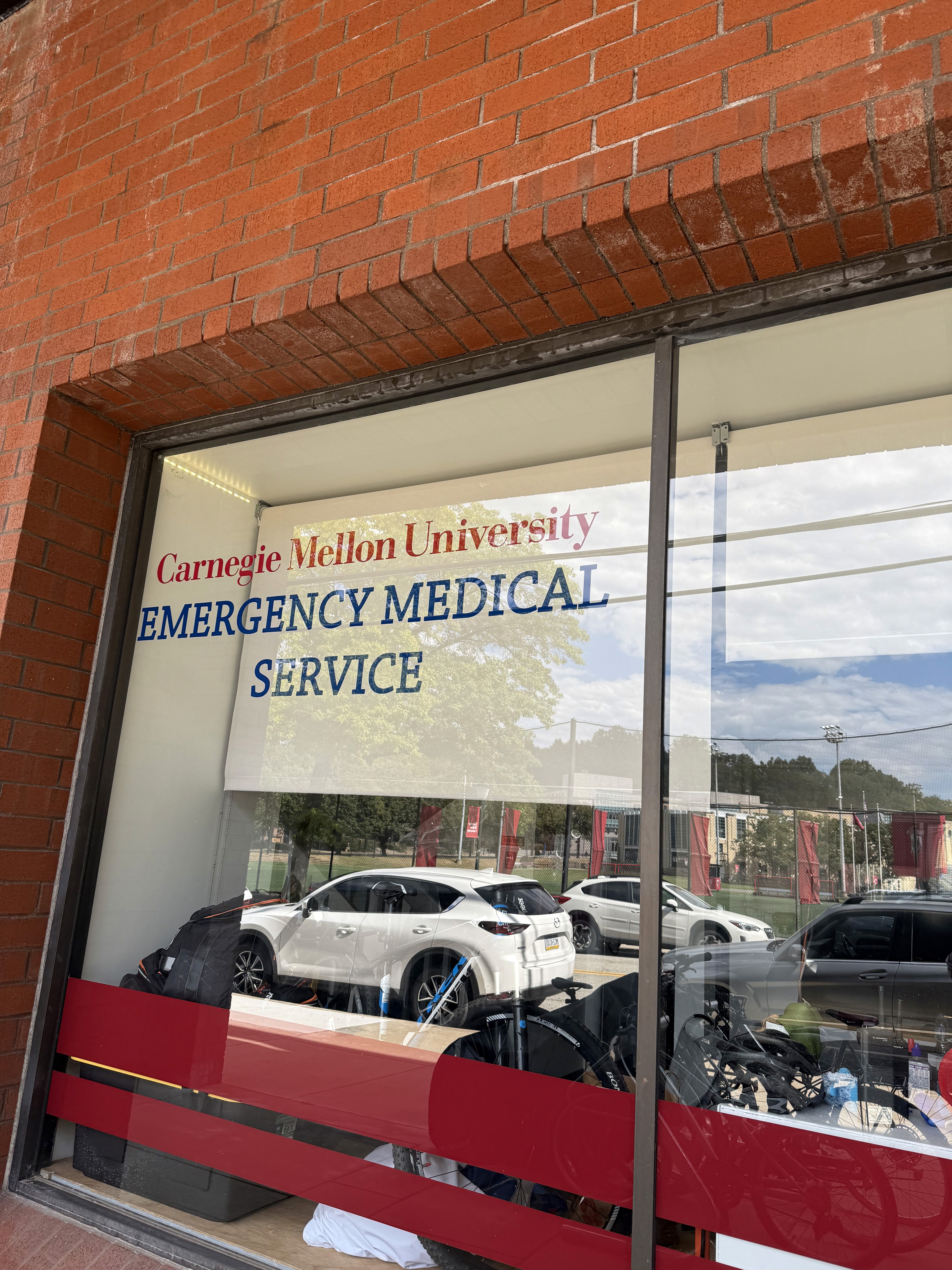
Instead of researching existing first-aid products, we first conducted contextual inquiry on-site and desktop research.
It narrowed our focus to the learning experience of the allergy first aid treatment.
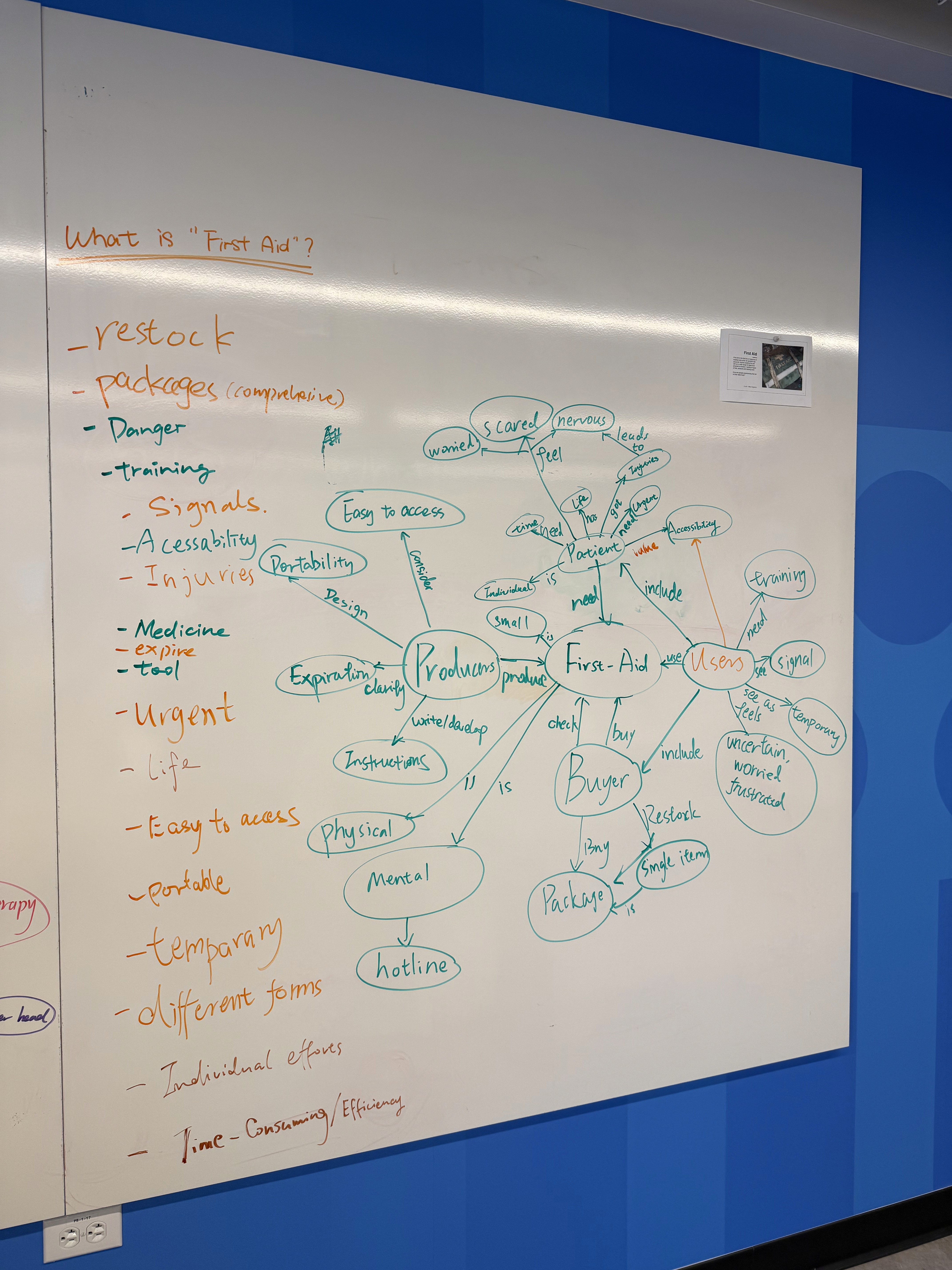
Concept Mapping
Brainstorming different stakeholders and concepts around the primary topic - performing first aid.
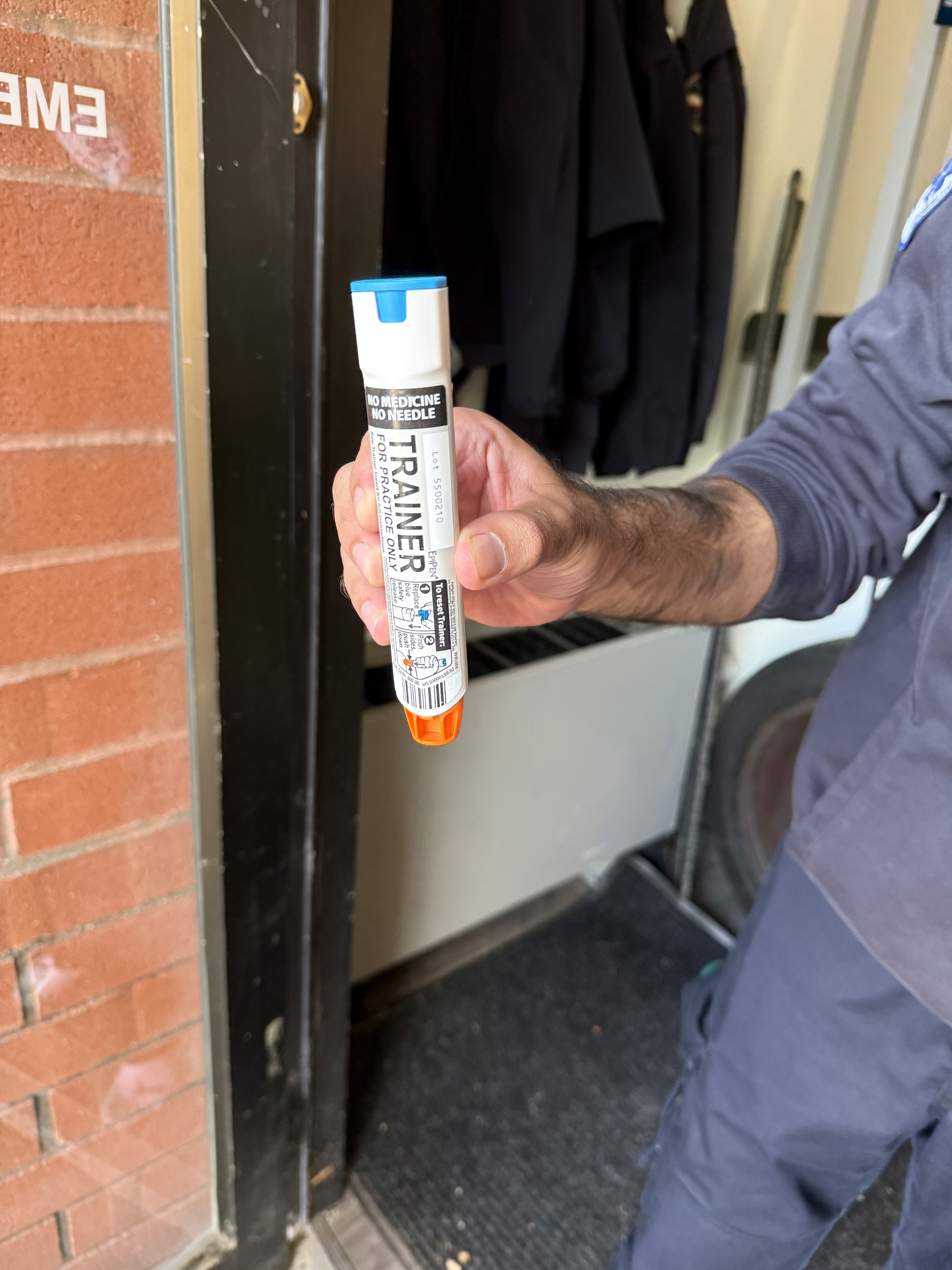
Contexual Inquiry
CMU Emergency Medical Service staff reported that severe allergic reaction is one of the most common emergencies they've encountered.
Research Hypothesis.
What did we assume before research?
Low Proficiency
Most people lack formal training and feel unprepared.
Knowledge Deficit
There is a widespread misunderstanding of allergy first aid, leading to treatment delay.
Training Preferences
People prefer hands-on formats over traditional time-consuming online courses.
Research Outcomes.
What did we know after research?
We explored the cognitive, emotional, and structural challenges of allergy first aid learning.
Informal Learning Dominates
people primarily rely on personal experience and informal advice from friends and family as their learning sources.
Barriers to Access and Apply
Mental preparedness is significantly more important than initially recognized.
Perception vs. Reality Gap
actual hands-on practice is essential to manage the anxiety associated with delivering allergic first aid care.
Research & Synthesis
What We Did.
Mixed Research Methods.
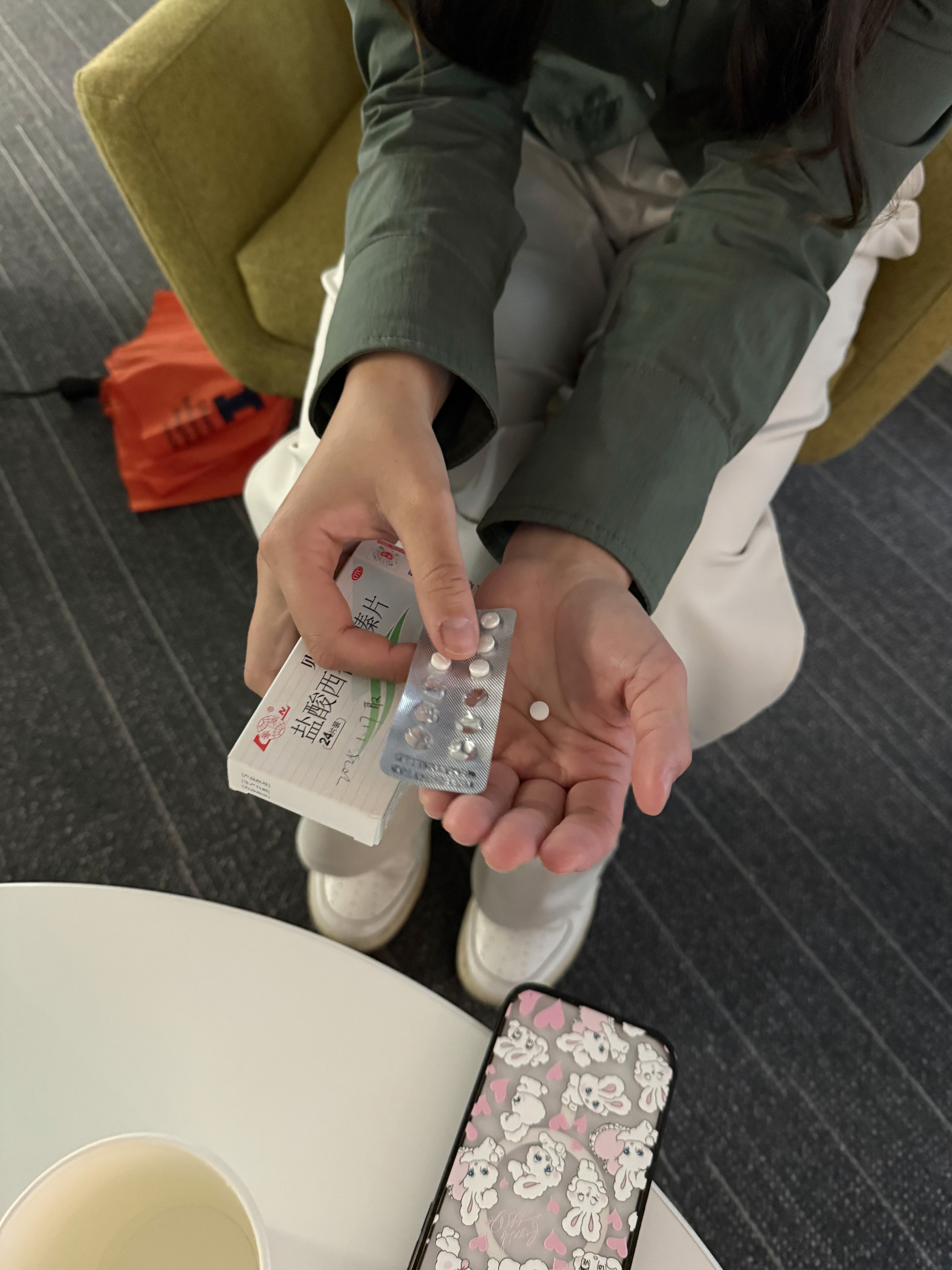
User Survey & Interviews
Online survey (17 responses)
Interviews (8 participants, including EMS members)
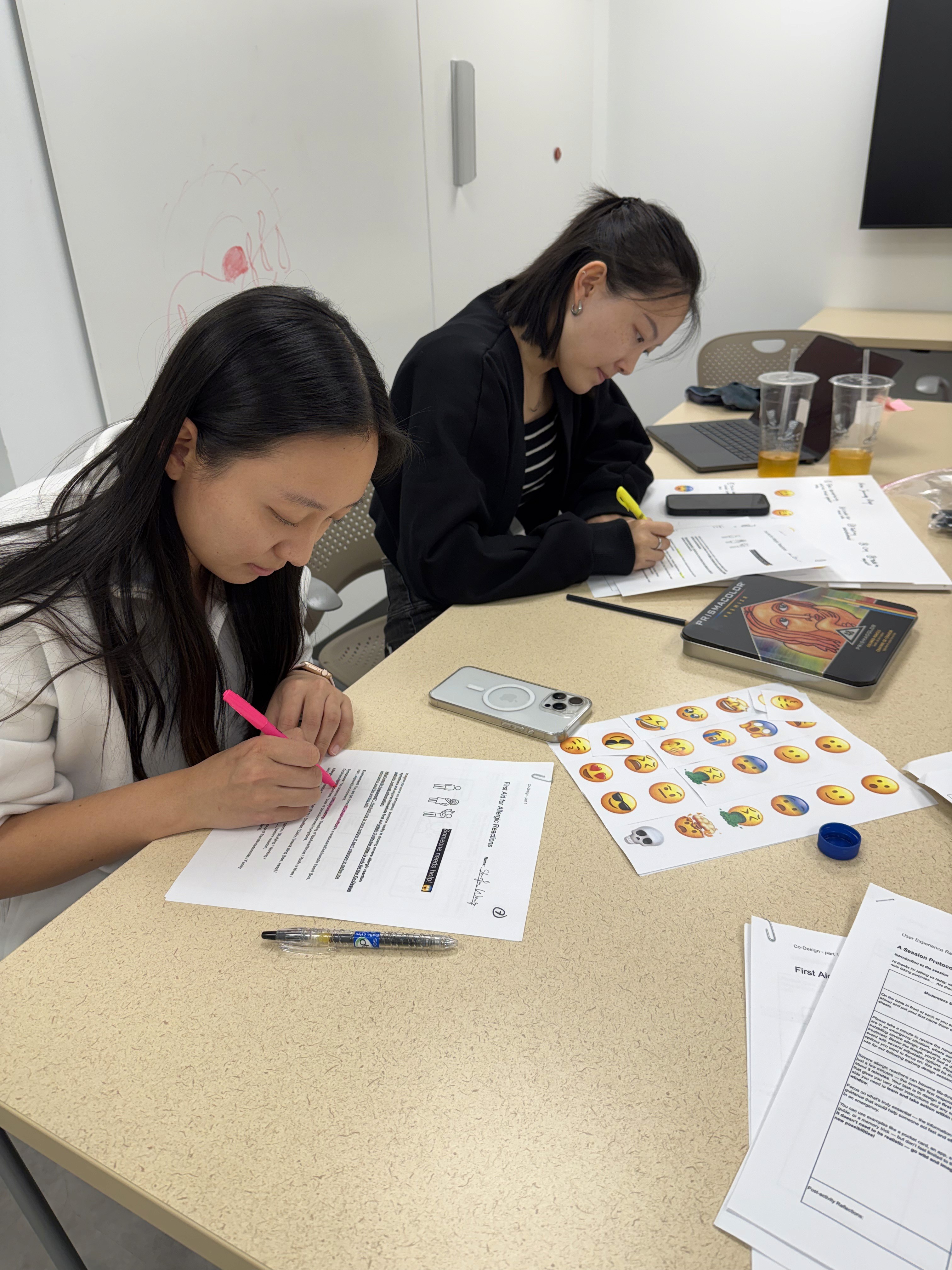
Co-design
Revealed what learners consider most essential and easy to retain.
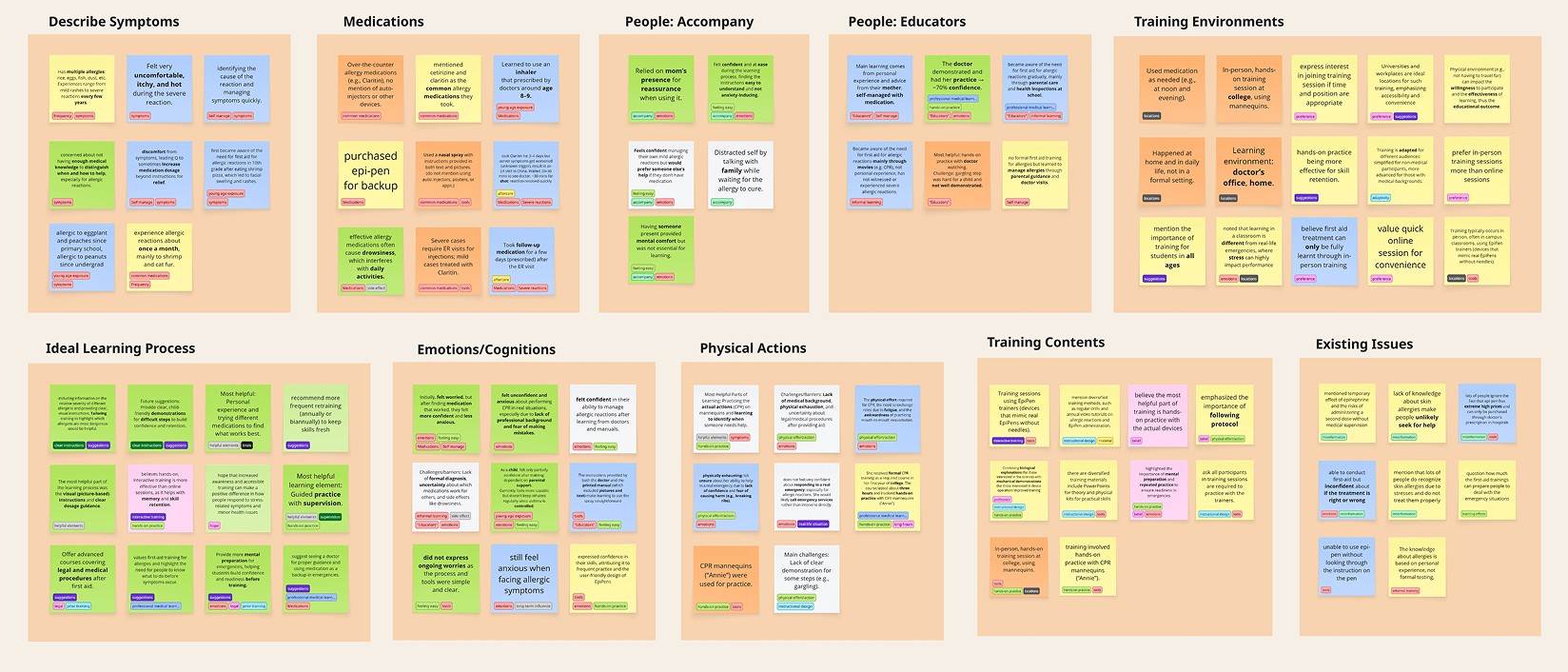
Affinity Diagramming
Identified clear themes with all qualitative data from interviews.
🔛 Different Ways of Affinity Grouping
Me and my teammates actually had different opinions on how to group all the sticky notes/data.
Contact for more details!
Synthesis.
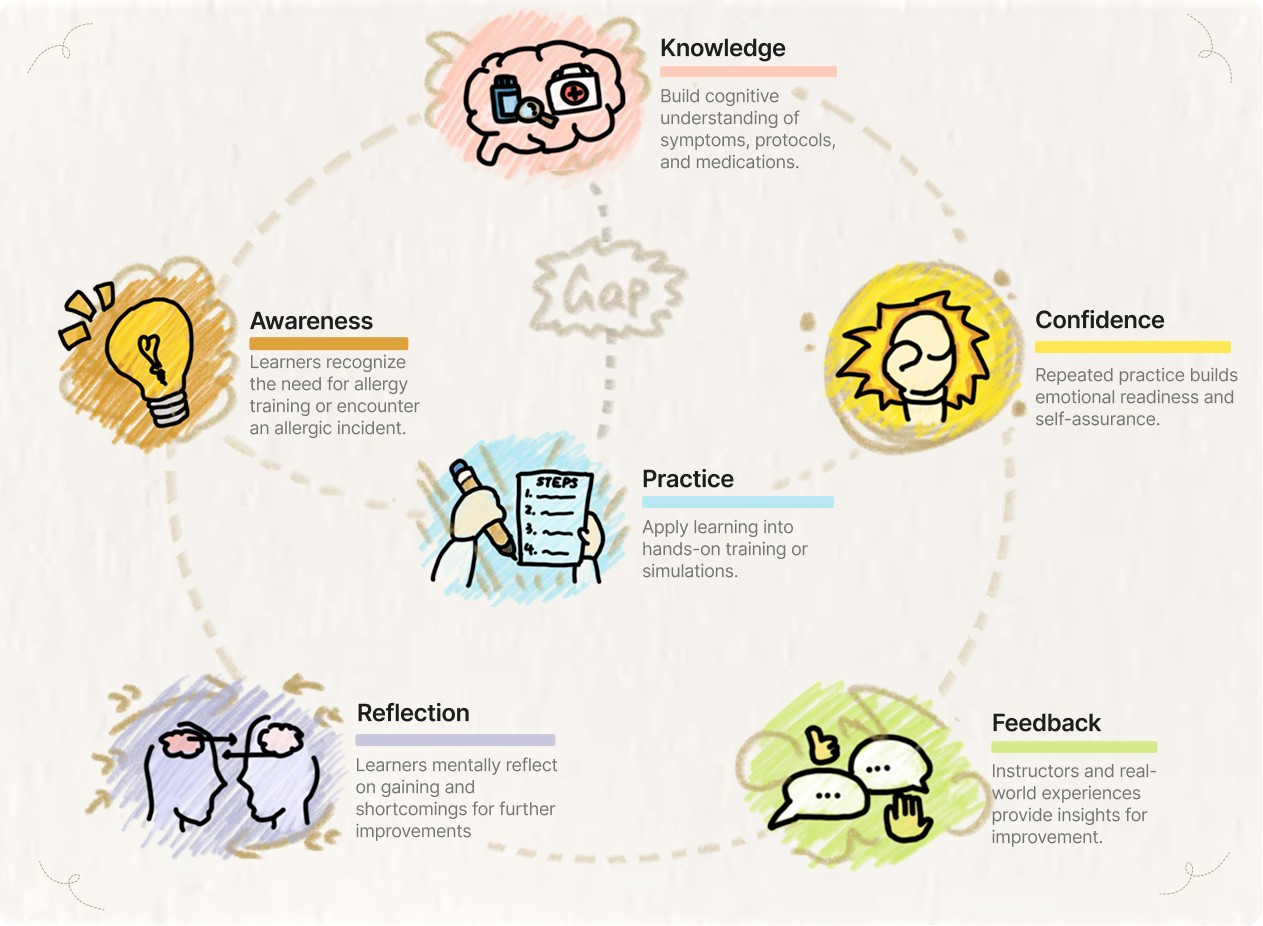
Training Is a Continuous Cycle, Not a One-Time Event.
Synthesized from all our research, this flow diagram summarizes the interconnected stages that shape effective first-aid learning for allergy treatments.
Future Product Directions
Product Opportunity Gaps identified.
What I would build if we had more time.
Current Challenges. Training courses are often inaccessible for integration into daily life.
Feedback-Enhanced Learning. Feedback from a trusted medical staff guidance significantly improves outcomes.
Solution Framework.
What are the priorities research informed?
A successful solution MUST recognize the importance of mental preparedness of learners.
Address mental and emotional readiness, not just information
A successful solution SHOULD encourage more hands-on practices over knowledge memorization for learners.
Make practice easy, repeatable, and realistic
A successful solution COULD be a mix of digital and physical formats.
Use hybrid digital and physical support for quick reference and training reinforcement