Mimi's Treasure.
Gamified Financial Experience.
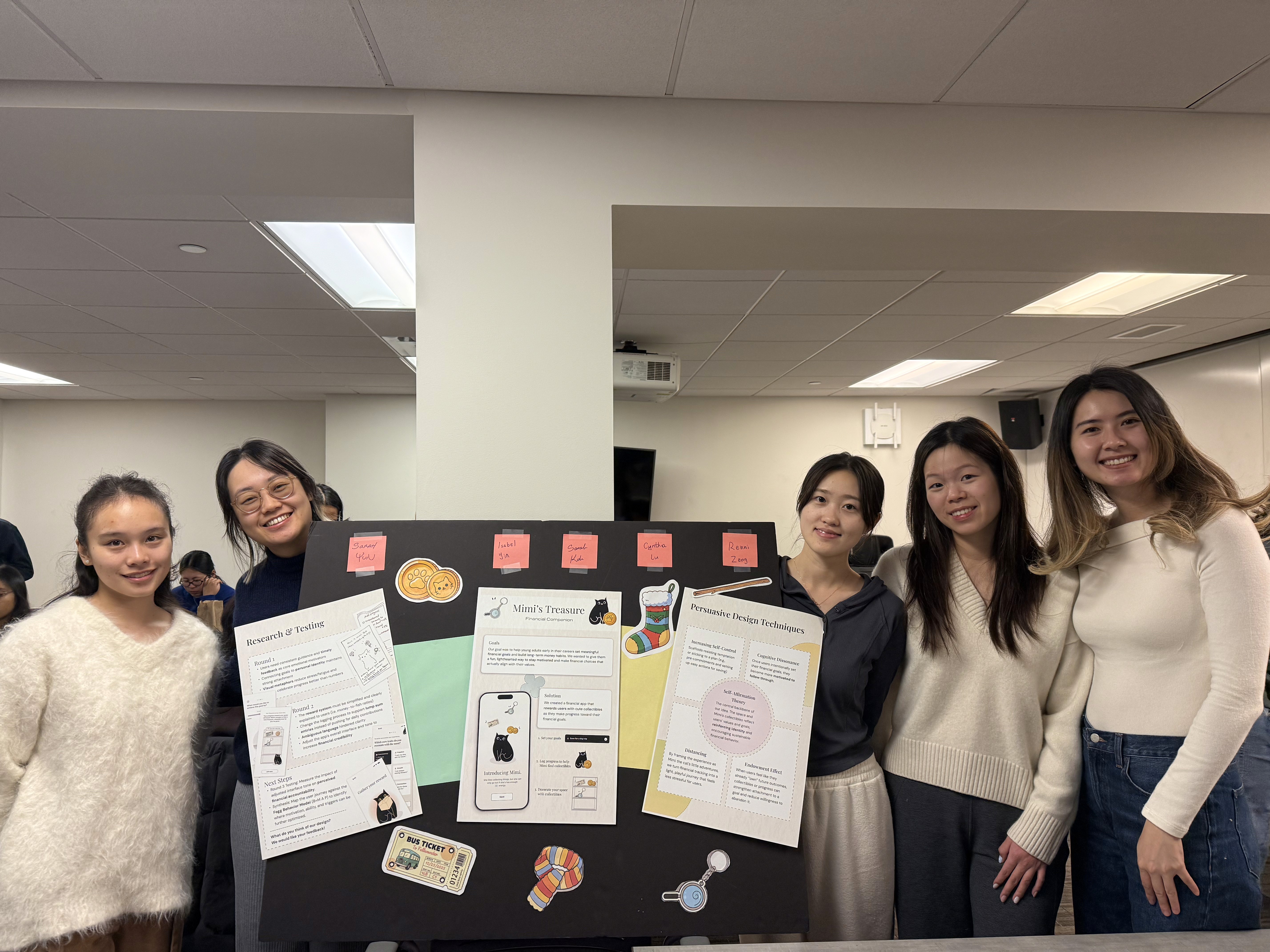
Coursework
Persuasive Design
Sept - Dec 2025
Role
Research Lead, Accessibility Lead
(5-person team)
Project
Collaborative Research-driven Concept Development
Project Overview
What's Mimi's Treasure?
Not another budgeting app.
Mimi's Treasure is a financial companion that reduces money anxiety and avoidance by turning saving into an identity-affirming habit loop, not a guilt-driven budgeting routine.
Knowledge doesn't drive financial behavior. Identity, motivation, and emotional safety do.
What's the Problem?
Our starting point: What do we want to solve, change, or impact?
Too Much Noises
Budgeting tools overwhelm with alerts, spreadsheets, and red warnings—focusing on guilt, not progress.
Finance Anxiety & Avoidance
When finances feel threatening rather than informative, people disengage entirely.
A Cycle of Worse Outcomes
Avoidance leads to worse outcomes, which reinforces the desire to avoid even more.
What's the Goal?
Reimagine financial management for young adults entering the workforce.
Recent FinTech solutions have focused on gamification, but we took a different approach.
We help users establish healthier long-term financial habits by guiding them to define clear goals, track progress, and build sustainable money management routines.
Research & Design
Brainstorming using Card Games.
Focus on human accessibility, not just products.
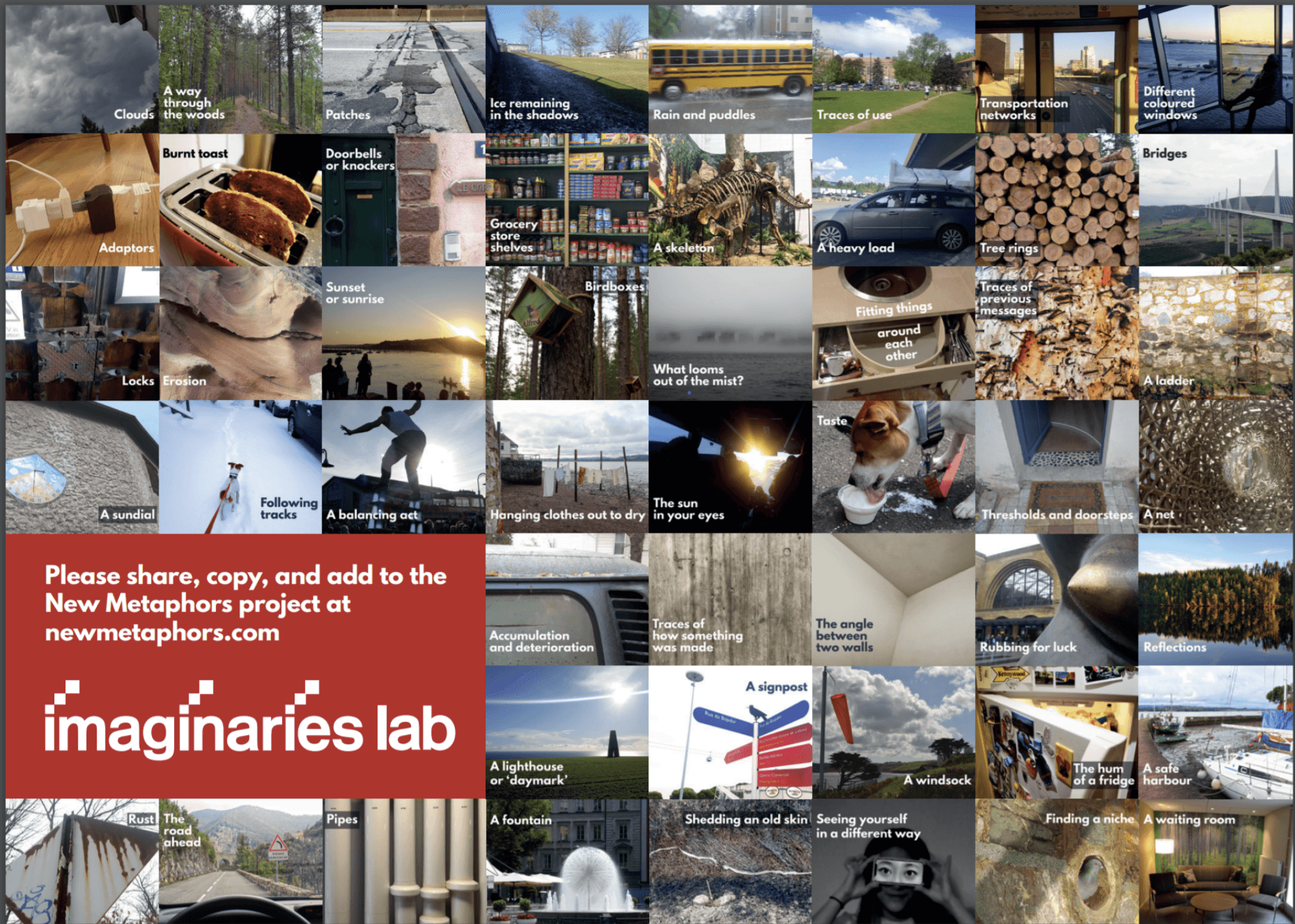
Focus Group Interviews: New Metaphor Techniques
We discovered that young professionals, despite a desire for financial stability and growth, feel a lack of agency and confidence in finance management.
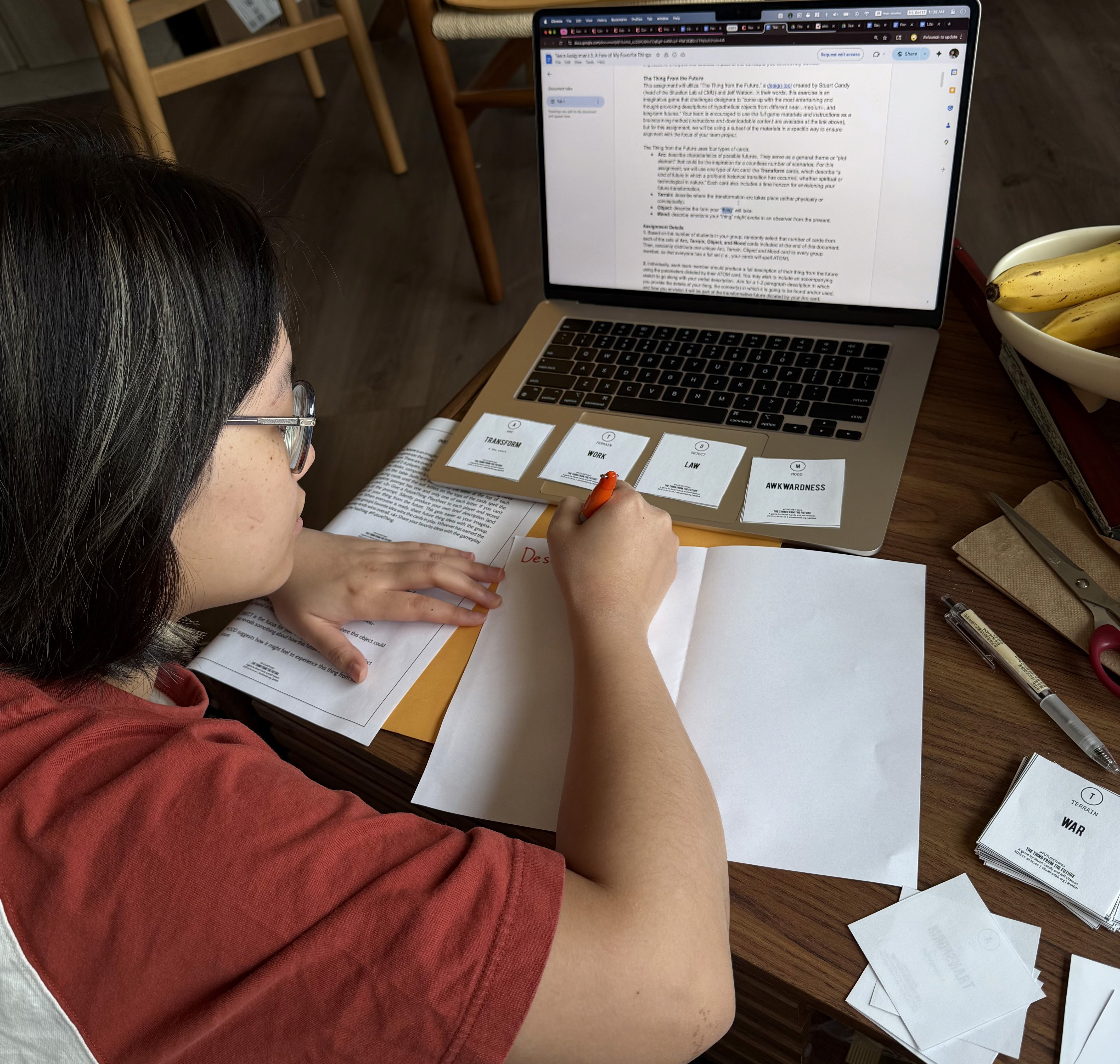
Brainstorming: A Few of My Favorite Things
Recognizing finance is such a deeply personal and private topic, we identified personal, interpersonal, and societal levels to ensure smooth interaction.
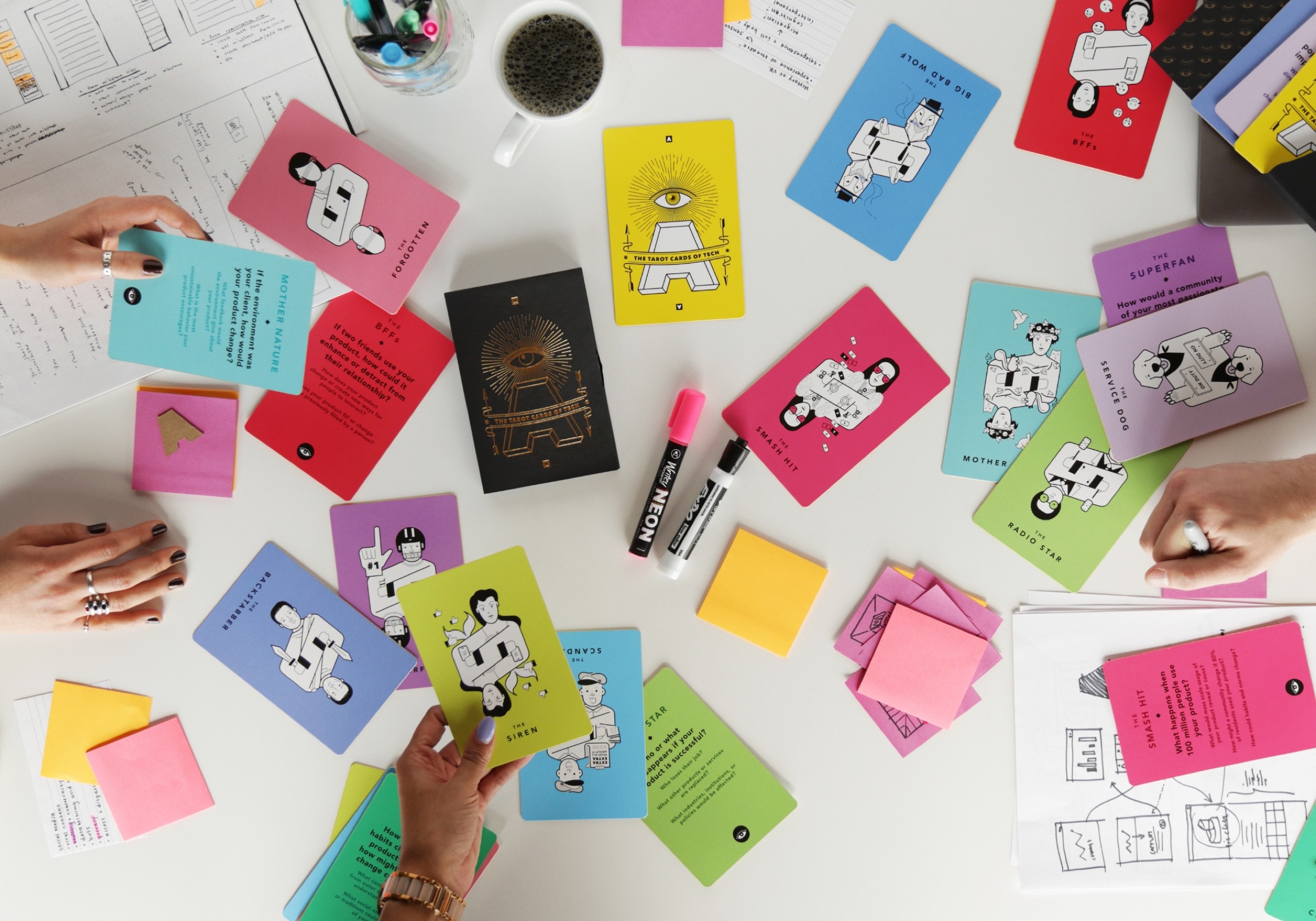
Design Concept Eval: Is It Written in the Stars?
We decided to position on emotional empowerment, instead of pressure or guilt, so our tone stays positive, supportive, and growth-oriented.
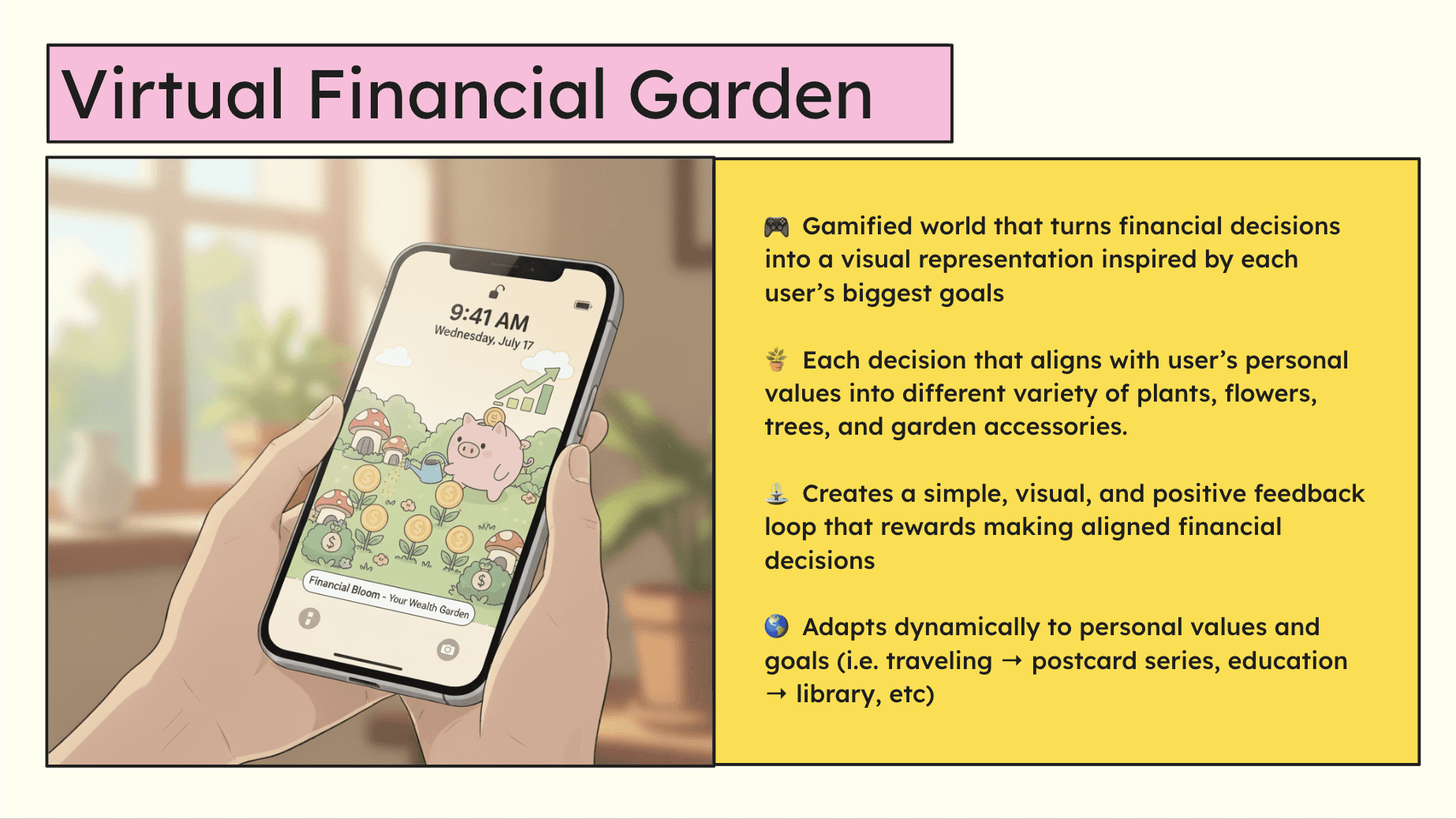
Design Pitch Presentation
We presented our design concept and gathered early feedback from the class.
💡 Design process is innovative and fun.
New ways to brainstorm, think beyond constraints, and evaluate ideas.
For this project, I pushed beyond traditional design methods by exploring unexplored perspectives using innovative design thinking techniques.
Contact for more details!
Design Philosophies From Psychological Frameworks.
Why build a treasure game? Literature review & expert consultation provided the answer.
After reviewing 10 peer-reviewed papers and consulting four experts in relevant domains, we identified the following psychological principles to guide our design:
Self-Affirmation -> Core Values Selection
When individuals feel financially constrained or threatened, self-affirmation interventions can prompt users to reflect on their core values and restore a sense of personal control.
Psychological Distancing -> Virtual World Finance
Distancing is especially important in domains like personal finance, where shame or anxiety can lead to avoidance. Instead of confronting a spreadsheet, users "help Mimi go on a trip."
Autonomous Motivation -> Self-initiation
Individuals motivated by genuine personal values, or autonomous motivation, achieve significantly better financial outcomes than those who act out of pressure, obligation, or controlled motivation.
Cognitive Dissonance -> Stick to Goal
When users explicitly articulate financial goals, any subsequent behavior inconsistent with those goals creates psychological discomfort that motivates change.
Endowment Effect -> Tangible Collectibles Gained
When users feel like they already "own" future outcomes, collectibles, or progress, it strengthens attachment to a goal and reduces willingness to abandon it.
Users define values and set specific goals with deadlines (SMART framing). Each saving log is intentionally small and bounded, followed by immediate emotional feedback and visible progress toward a meaningful reward. Rewards are designed to reflect users' identity and goals, not random points.
Validation, Iteration, and Next Steps
Final Design that I Was Responsible for.
The onboarding, assets, and design system.
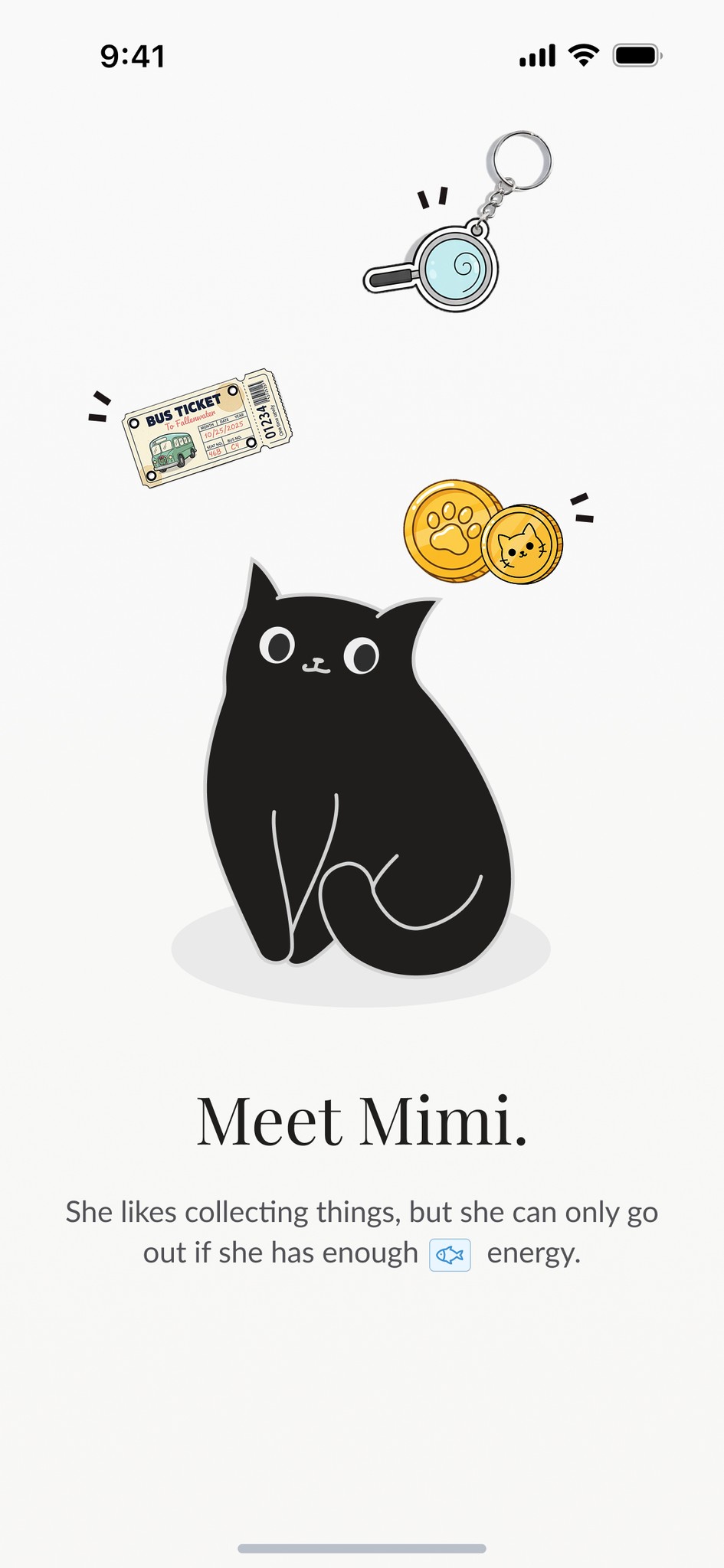
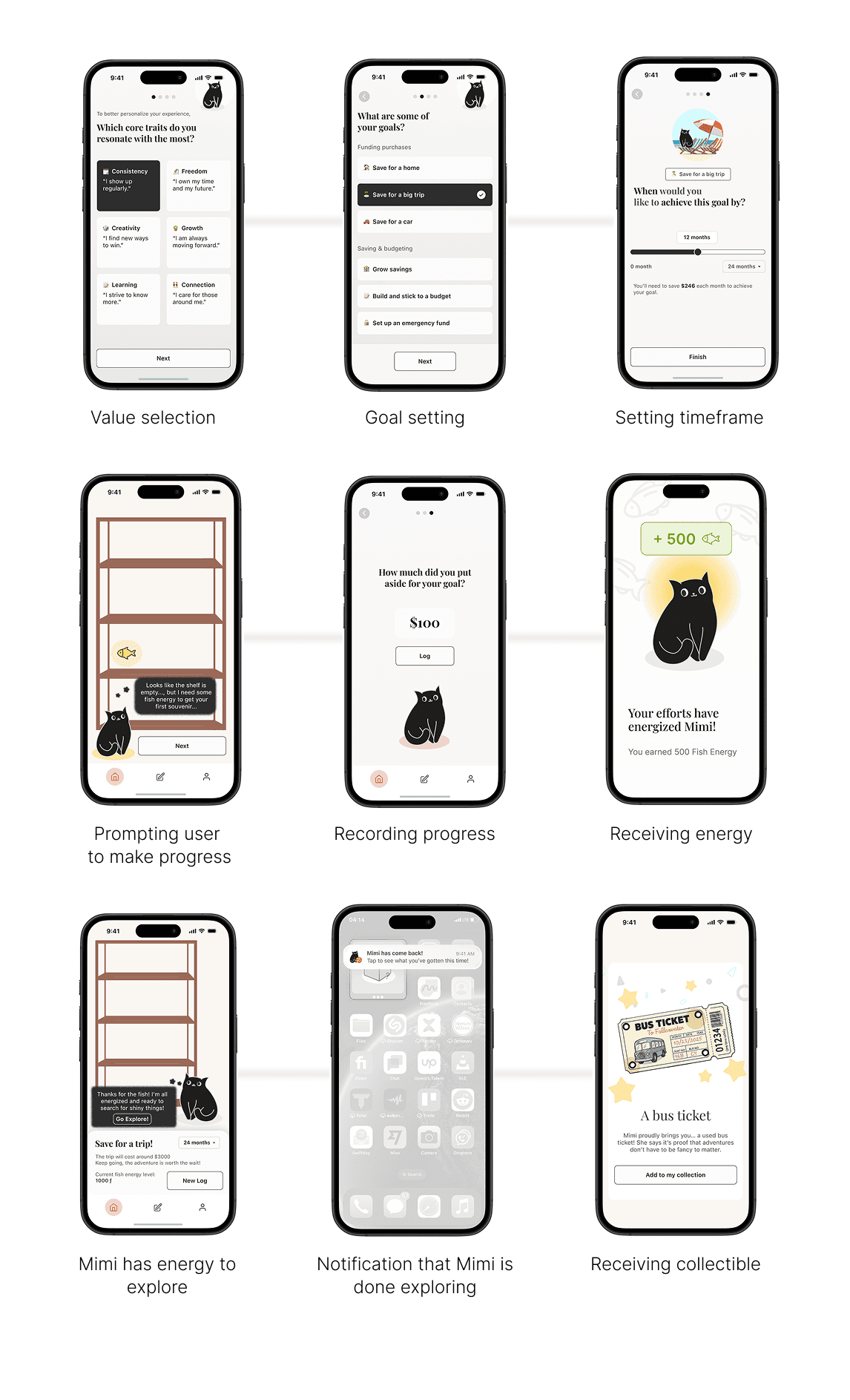
Landing Screen
I introduced Mimi as a psychological buffer. This distancing technique makes engagement feel less threatening.
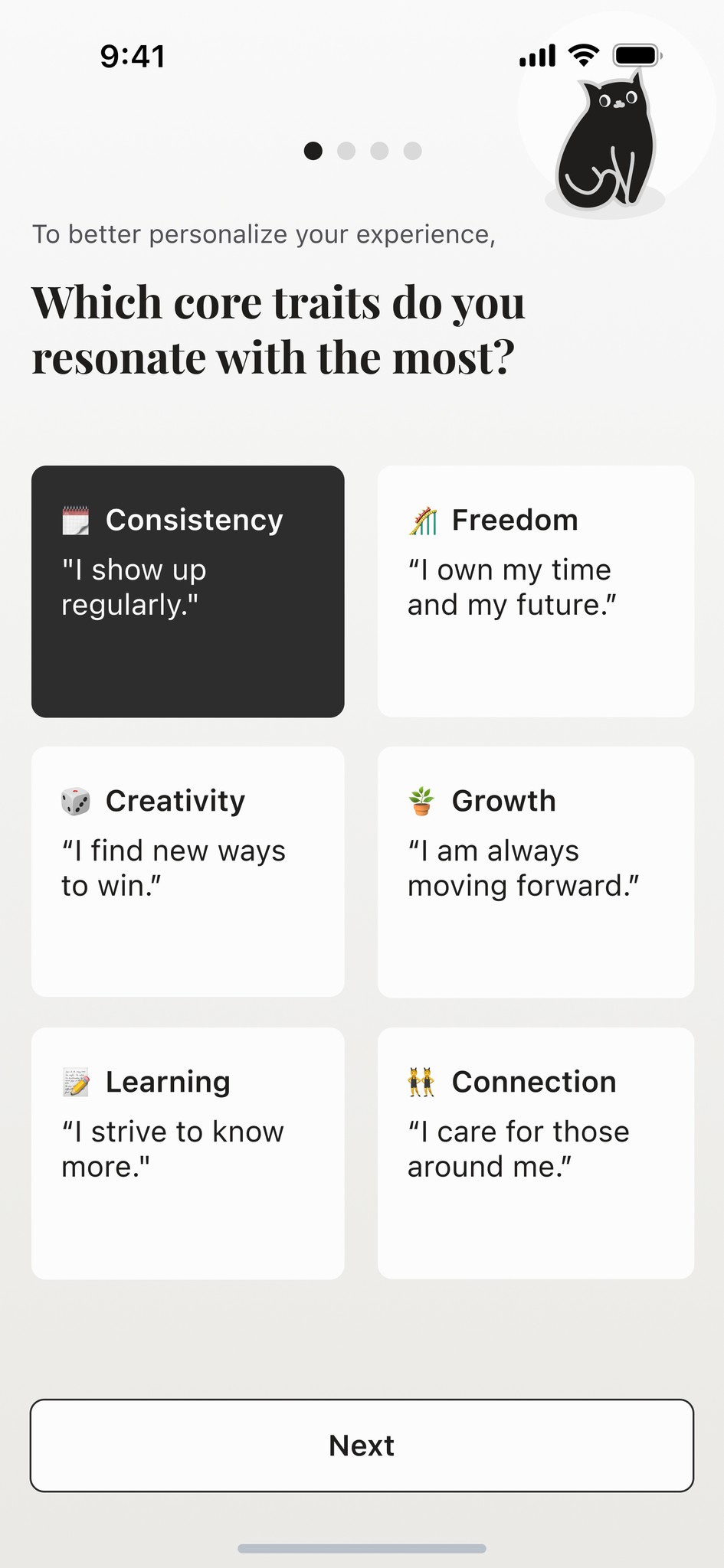
Core Value Selection
I included quotes for each value to clarify abstract concepts. By reframing the prompting question, I encourage users to commit to goals aligned with who they truly are, not external pressure.
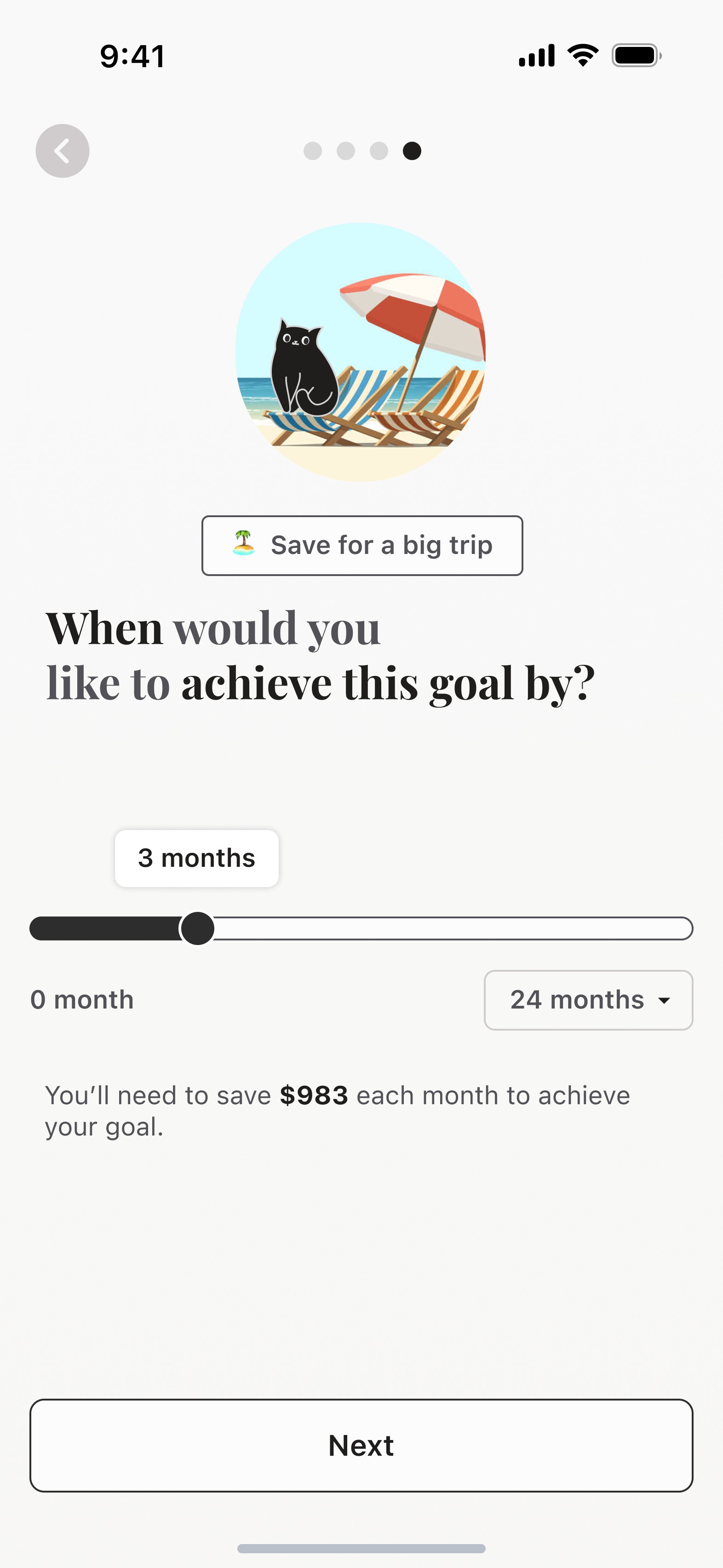
Goal Deadline Setting
The automatic monthly breakdown to make progress visible. The goal tag ensures users can maintain emotional connection to what they're saving for.
Assets.
Generative AI made.
Starting from a rough bus ticket concept made by a teammate, I generated multiple versions for the team to discuss style direction. Once we decided on the style, I generated more fun assets for users to interact with.
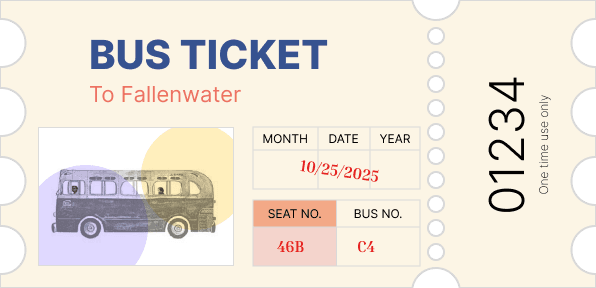
BusTicket_v1
"A tiny reminder that every small journey leads to unexpected places."
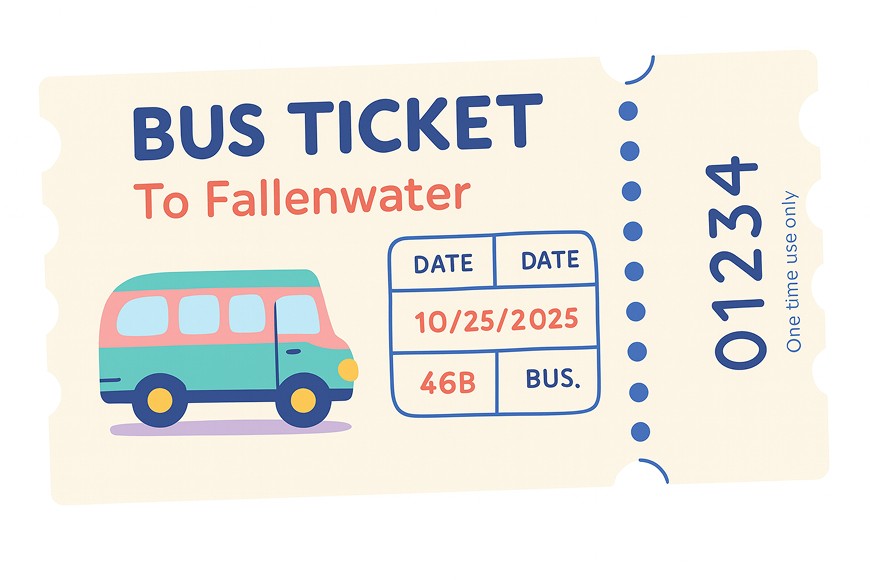
BusTicket_v2

BusTicket_v3
Try out different color themes.

BusTicket_v4
"Mimi proudly brings a used bus ticket! She says it's proof that adventures don't have to be fancy to matter."
To speed up the design, I used generative AI to help generate more visually engaging assets for the final app design. It was a fun experiment that explored what current AI can contribute to the design workflow.

Cat Coin

Wood Stick

Paint Brush

Scarf
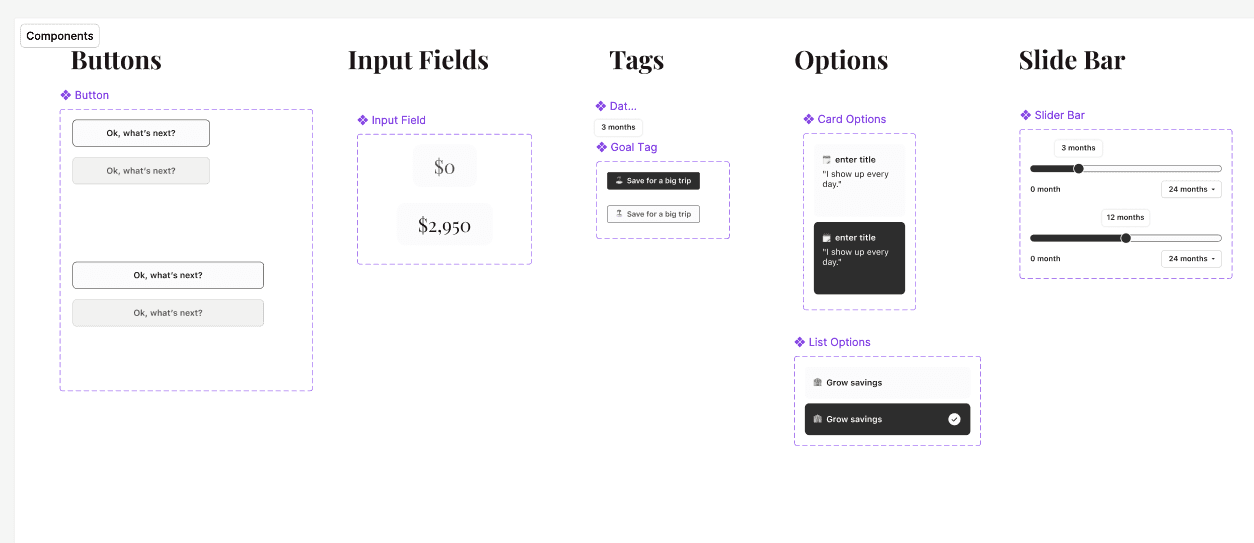
Design System.
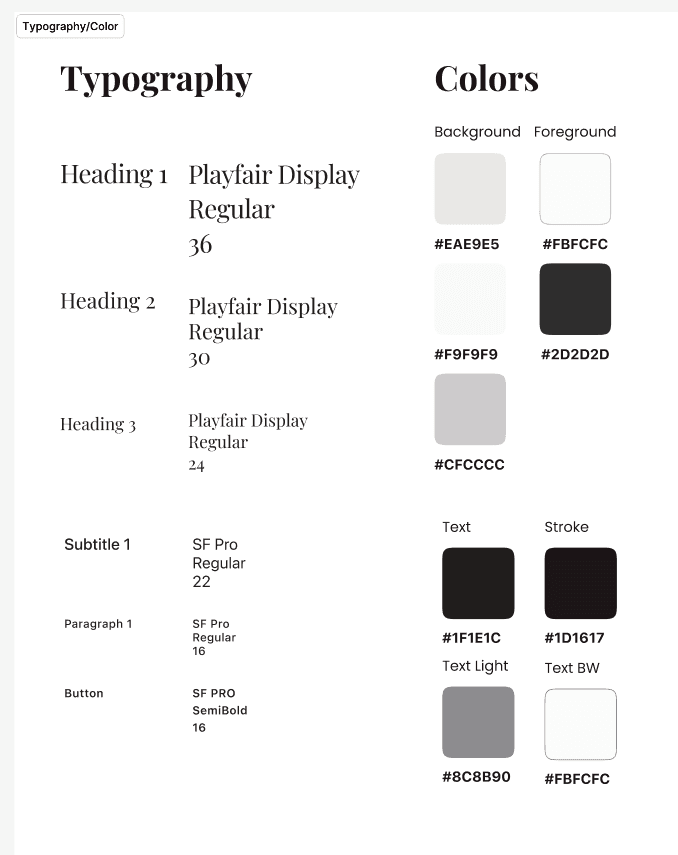
Style guide & component library.
To speed up high-fidelity prototype production, I built a scalable design system including a style guide and component library to increase adoption.
Three Rounds of Testing.
How we improved with real user feedback.
As the Research/Accessibility Lead, I actively led the process of testing and paying attention to the accessibility.
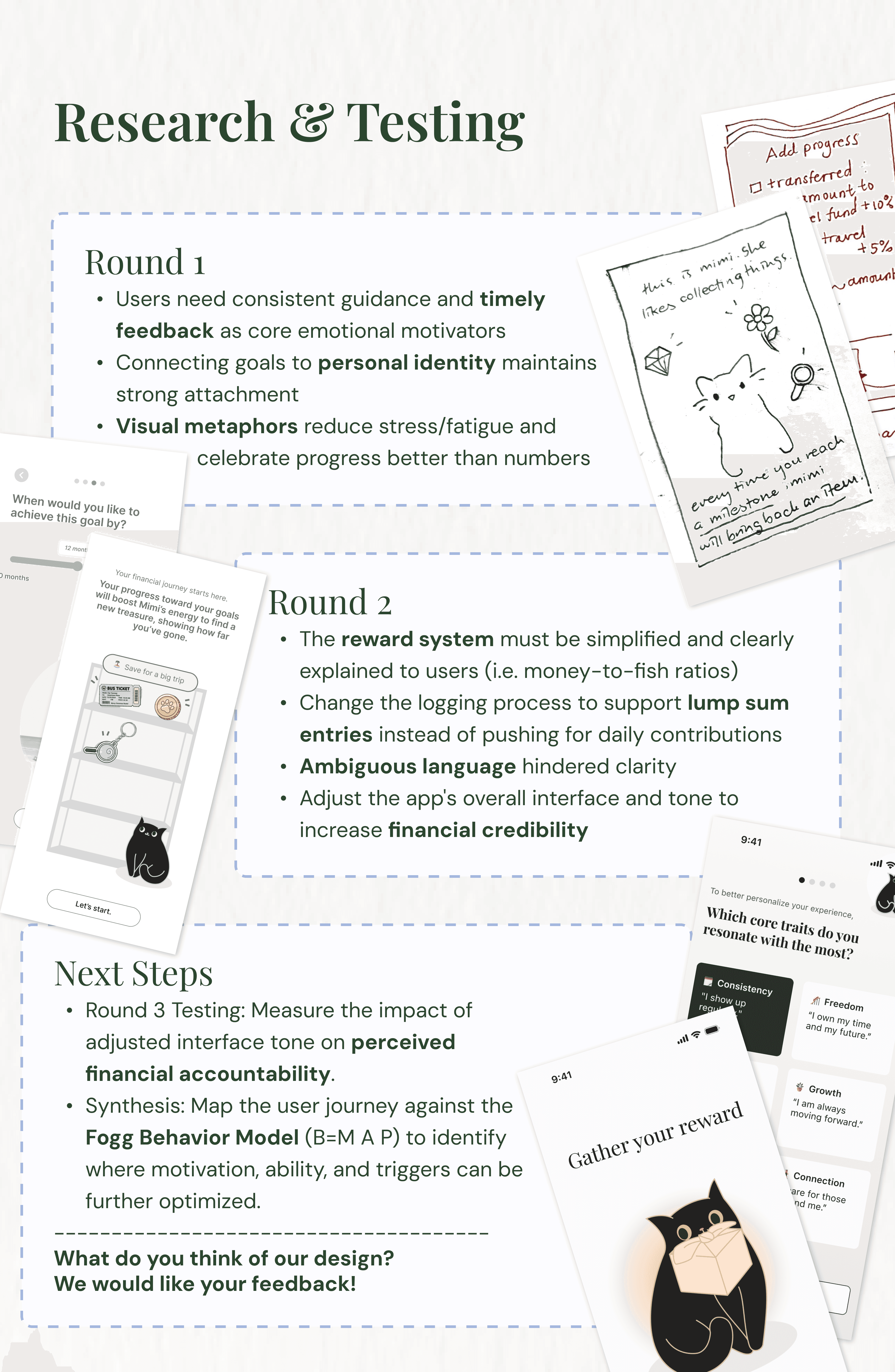
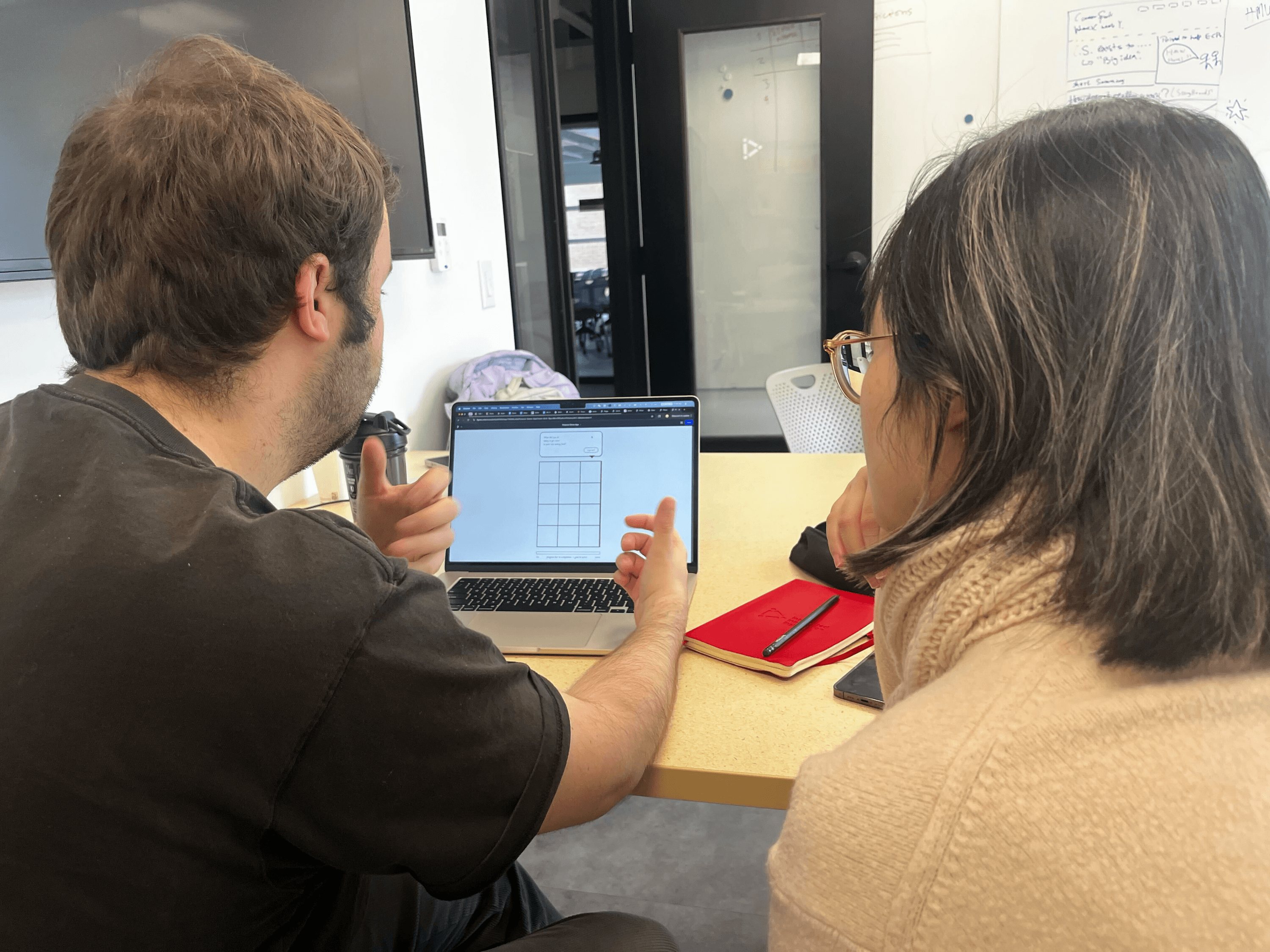
Round 1 - Low-fidelity
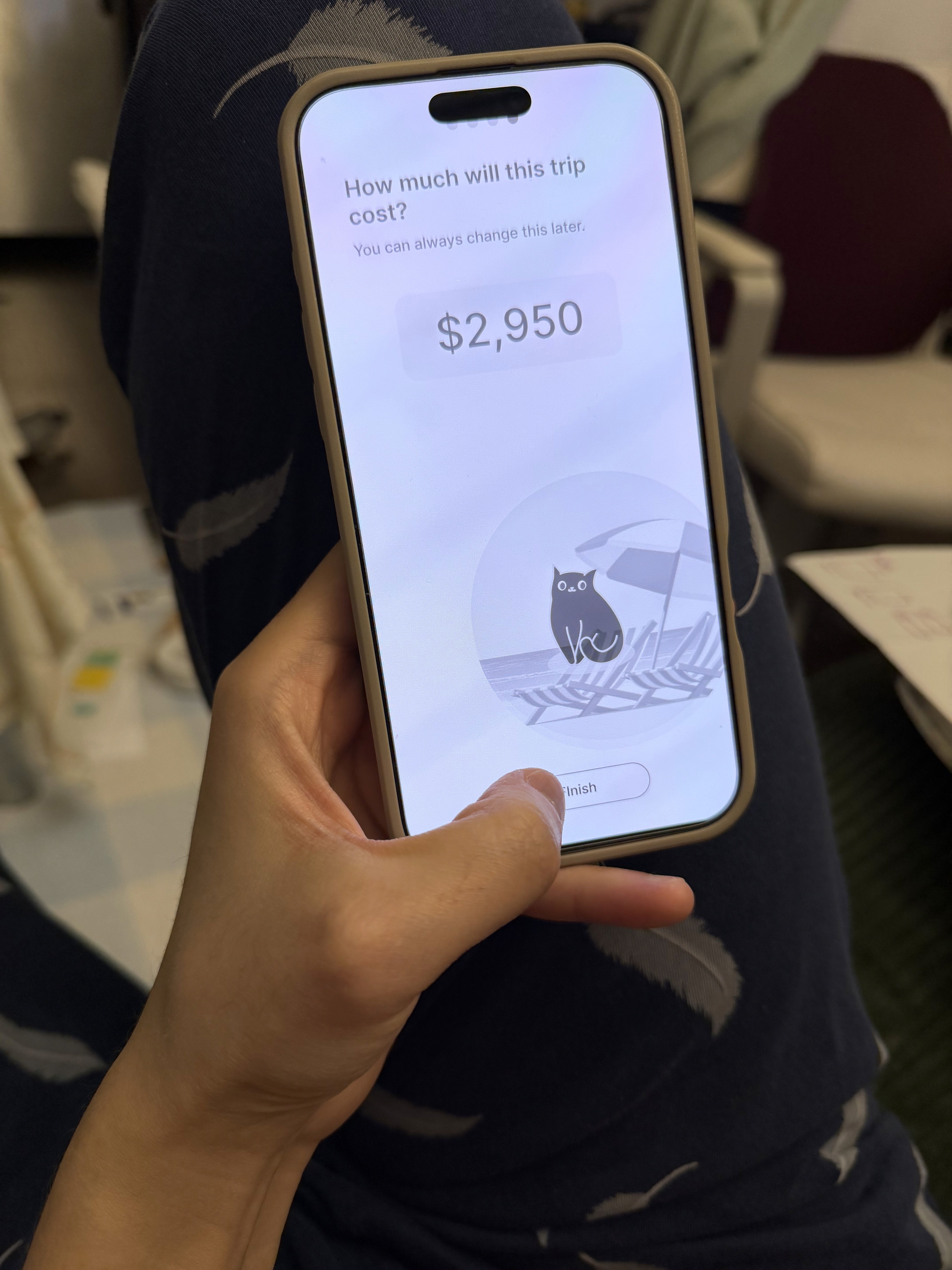
Round 2 - Mid-fidelity
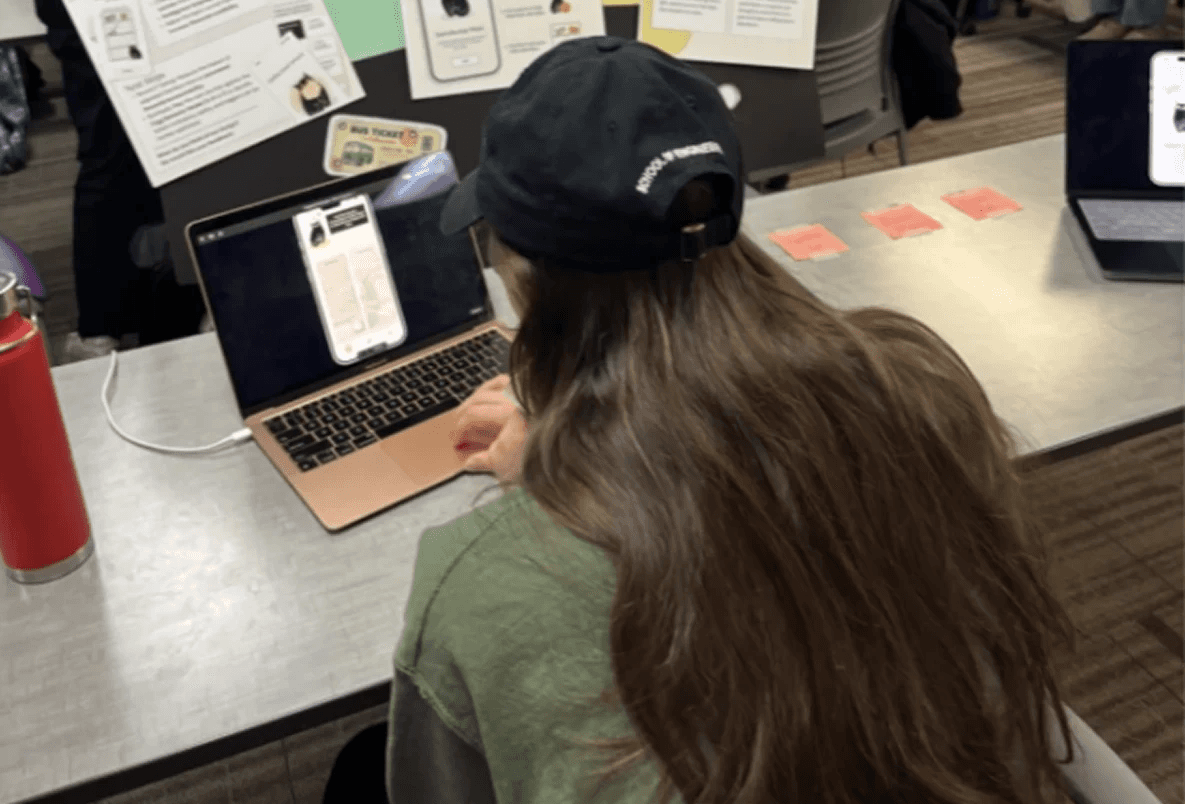
Round 3 - High-fidelity
Next steps.
How I would iterate if I had more time.
Balance between Virtual World Gamifications and Real World Scenarios. Testings revealed that people hesitated this app would help them in the real world, which hinders user adoption.
Connections between Values and Motivations. Although core values selection made the app feel more personal, users didn't see how these selected values actually work in the app.