Spanner.
Capturing critical knowledge from the retiring experts.
Company
Spanner (Enterprise Knowledge AI, B2B SaaS)
Jan - Apr 2026
Team
UX Researcher/Designer (Me)
2 Engineers
Business Ops
Advisors
Tools
Claude, Cursor, FigmaMake
Status
Early Prototypes V3 (WIP)
Project Overview
The Problem.
Expertise leaves when experts retire.
Retired experts hold decades of specialized knowledge that's difficult to transfer. Existing tools treat knowledge-sharing as a task. But without personal motivation, experts don't engage and feel forced.
Existing tools manage knowledge inside organizations. None of them capture what walks out the door when experts retire.
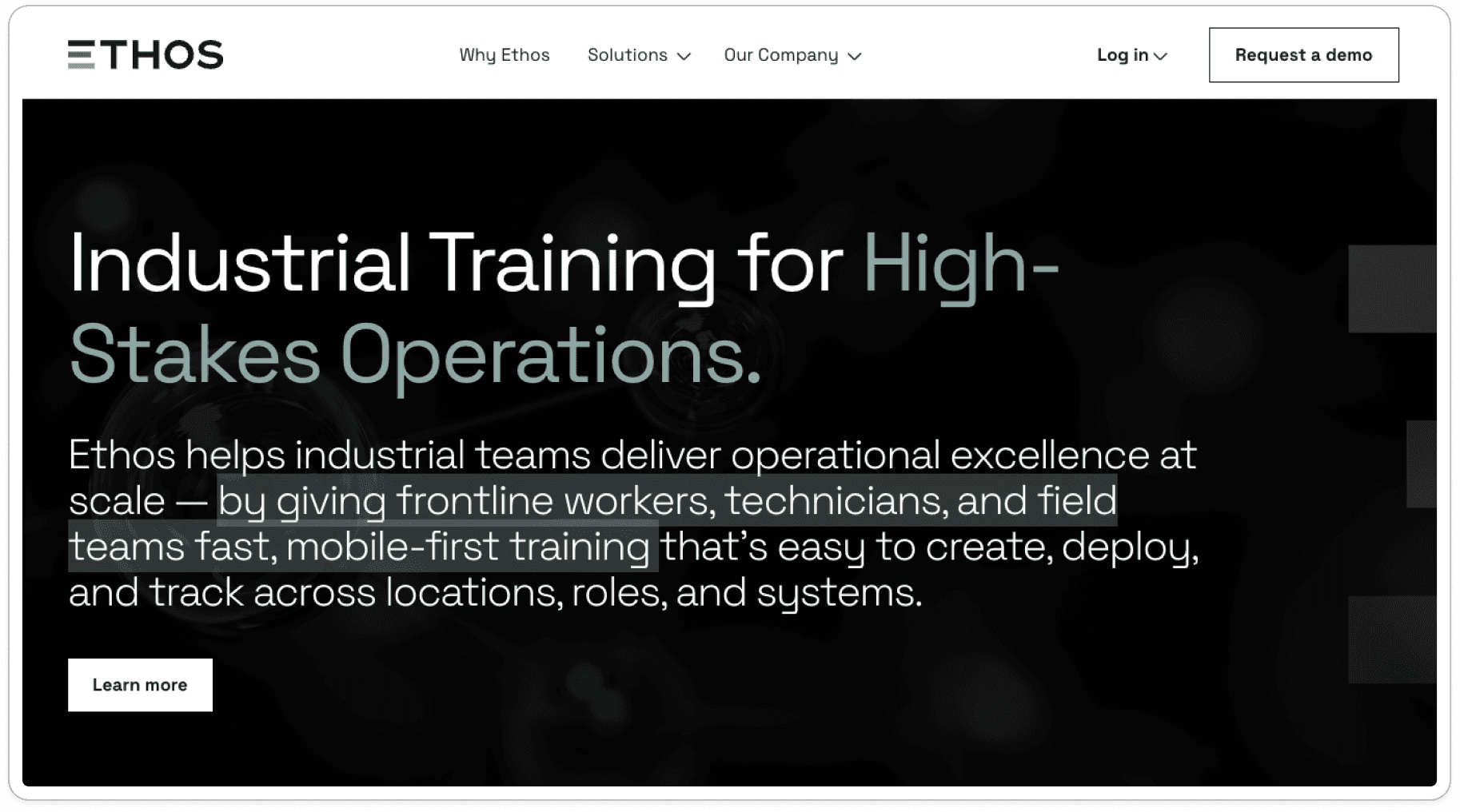
Ethos (Competitor 1)
Trains teams who are still on the job. Doesn't reach experts after they leave.
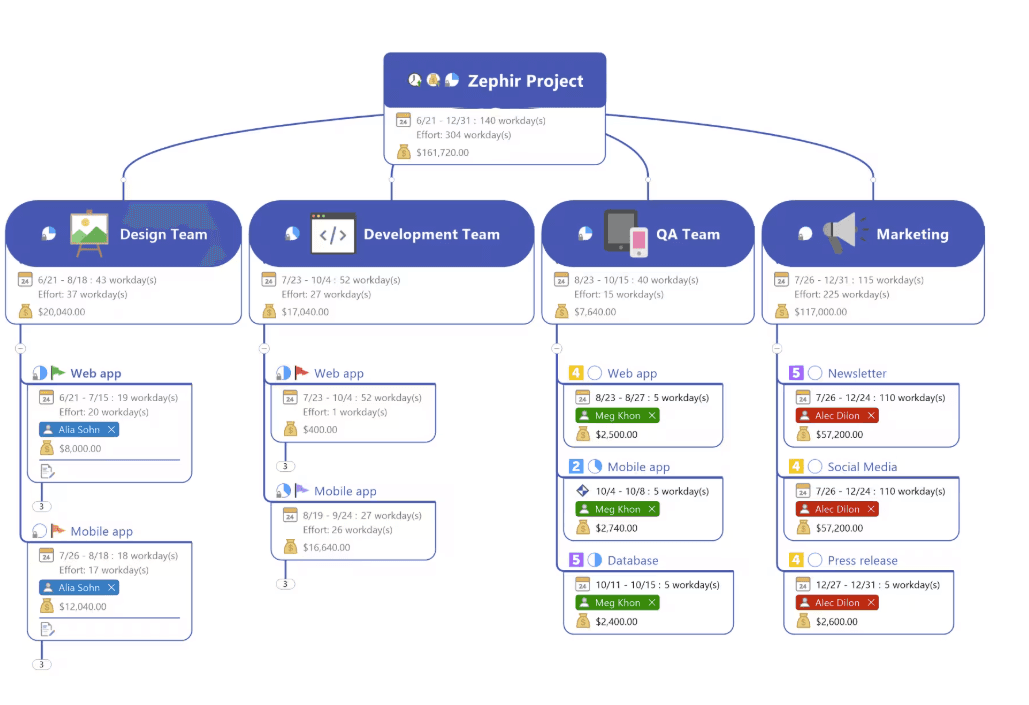
MindManager (Competitor 2)
Maps workflows between existing teams. Assumes knowledge holders are still in the building.
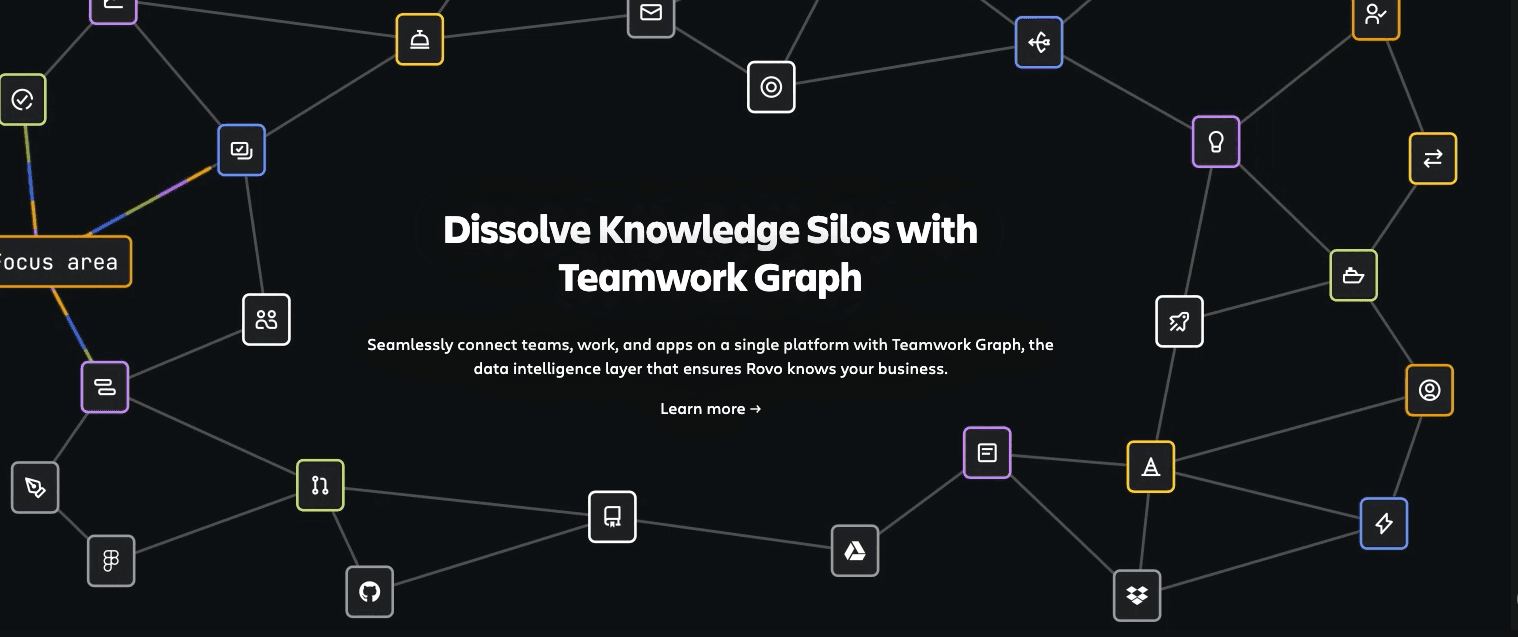
ROVO (Competitor 3)
Connects data across tools. Captures what's documented — not what's in someone's head.
Research Outcomes.
People share knowledge when they feel seen.
Through synthesizing 30+ stakeholder and expert interviews, I found that willingness to share knowledge is tied to personal values — whether someone is driven by legacy, financial recognition, community engagement, or professional identity.
Self-affirmation. Motivation comes before tools.
If experts don't see their personal reason to contribute — legacy, financial, community, identity — no amount of good UX will drive engagement.
Surface Struggles. Experts don't know what's worth sharing.
Decades of experience makes knowledge feel obvious to the person who holds it.
Multiuser Systems. Knowledge capture isn't a solo act.
Retirees, juniors, and management each have different needs from the same system — what to share, what to learn, and what to preserve.
Design Direction
The Approach.
Design for motivation first, tools second.
Drawing on persuasive design principles, the flow embeds motivation into the product rather than treating it as a separate settings page.
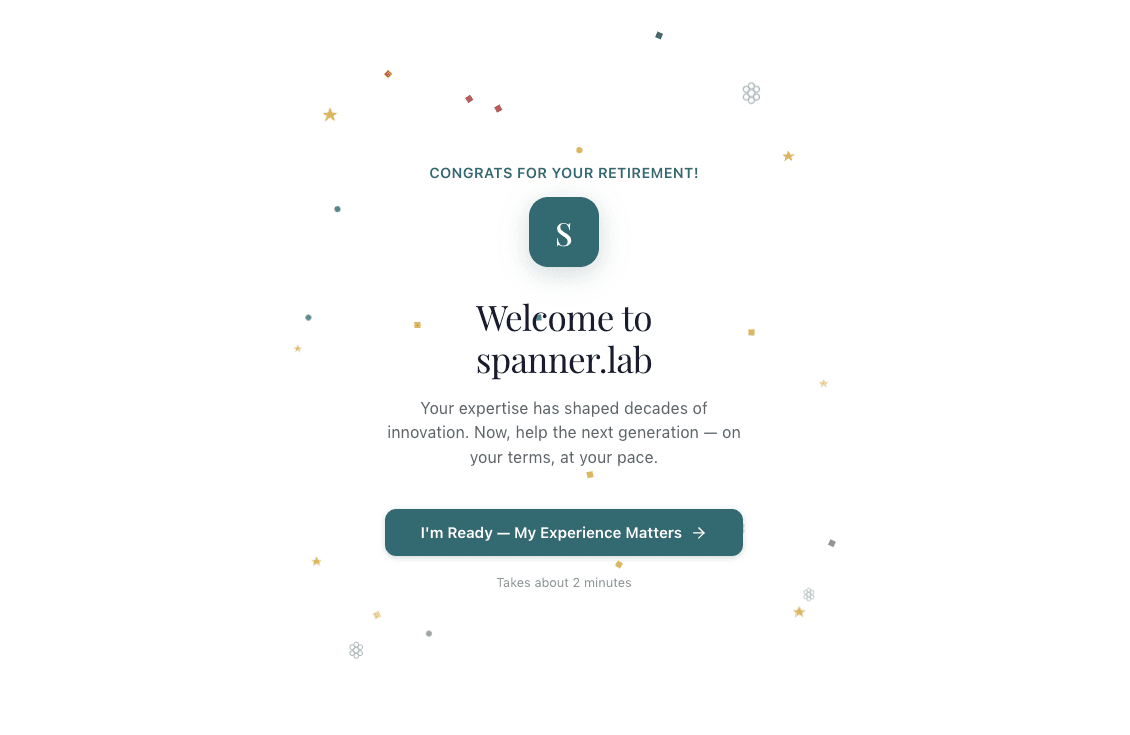
Landing Screen
Recognition before registration. The first screen validates expertise, not collects data.
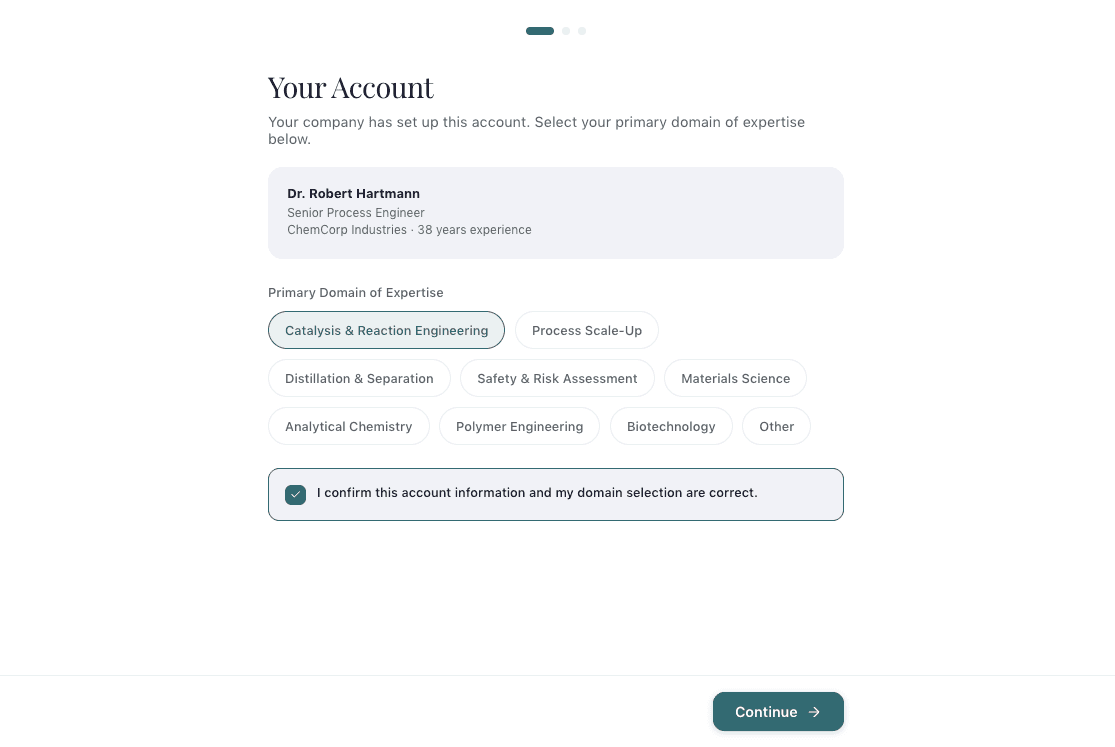
Account Confirmation
Pre-fill signals the platform already knows who they are.
When experts see their values reflected back — "you're here to build a legacy" or "you want to stay connected to your field" — the platform feels like it understands them, which increases willingness to participate.
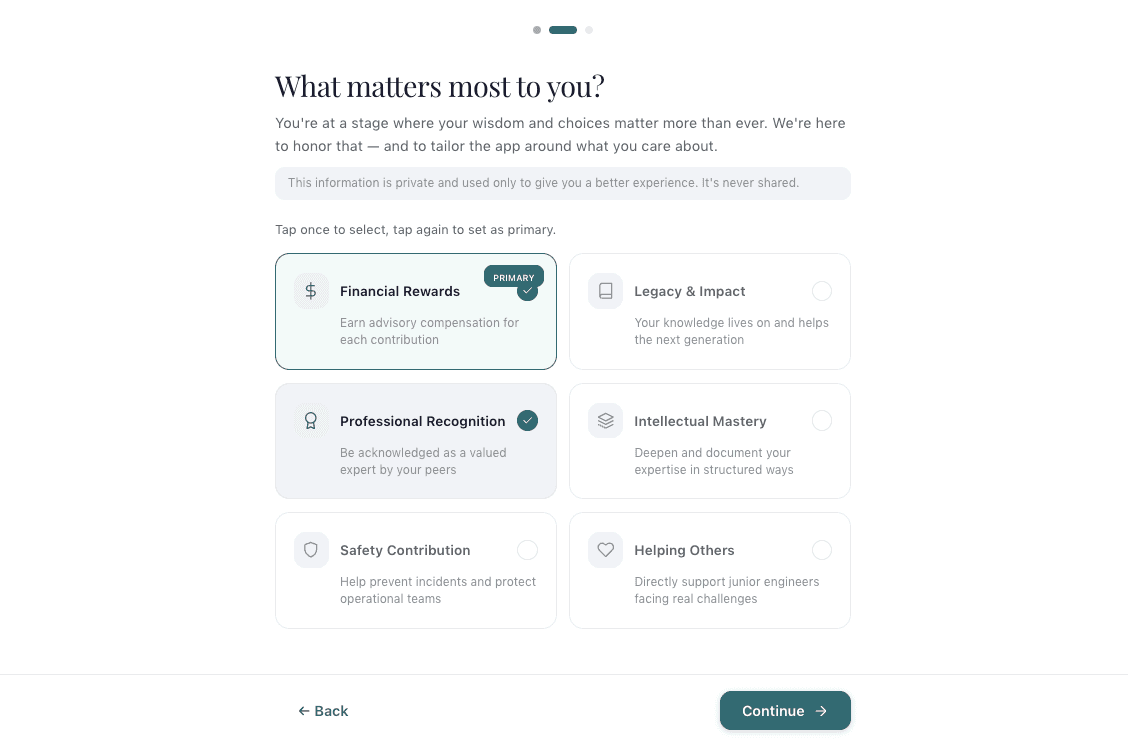
Personal Values
Ask about identity before asking for output. Personalization starts from motivation, not features.
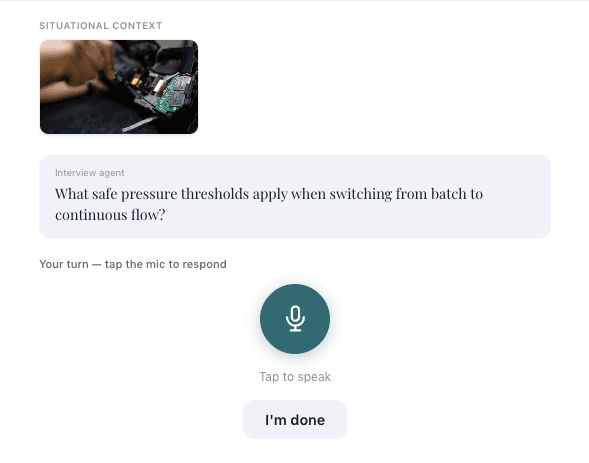
Contextual Cues & Voice Capture
Match the method to how expertise actually lives — situational, spoken, reactive to real problems.
🛠️ How I Built It. Weekend prototype, production-level clarity.
I used AI tools (Claude, Cursor) to rapidly prototype a working conceptual demo within a weekend. The goal was to test the design direction quickly and create something polished enough to evaluate with stakeholders — not to finalize production UI.
Contact for more details!
What This Unlocked
Domain-level scalability.
Designed for chemical engineering as a field, not one company. Built to scale.
Personalized experience.
Moves beyond generic onboarding toward a personalized experience that drives engagement.
Motivation-first onboarding.
Experts feel understood before they contribute a single thing.
Next Steps.
Where the product is heading.
Collaboration layer.
Designing how juniors, retirees, and managers interact within the same knowledge space.
Deployment model.
Exploring how organizations provision and customize the platform for their teams.
Stay tuned for updates!